Blog

  • Irrigation for a Thriving Garden: Watering Beds, Lawns and New Trees Efficiently

    Irrigation for a Thriving Garden: Watering Beds, Lawns and New Trees Efficiently

    Efficient irrigation means getting the right amount of water to the right place with as little waste as possible — usually with a pump or pressure source feeding drip lines or sprays on a sensible schedule. The trick is matching the system to each zone, watering new plantings differently from established ones, and staying within your council’s water rules. As always, the pump’s electrical connection is a licensed electrician’s job and any mains or backflow work belongs to a licensed plumber.

    Why irrigation often needs its own pump or pressure source

    Drip lines and sprays need a reasonably steady pressure to work evenly. If you’re watering from a rainwater tank, gravity alone usually won’t cut it, and even on mains the pressure can sag once you open several zones. A pump or pressure source gives the system the consistent push it needs so the far end of a line gets as much water as the near end. Match the pump to the demands of your zones rather than guessing — too little and coverage suffers, too much and you waste water and stress the fittings.

    Drip vs spray and what each demands

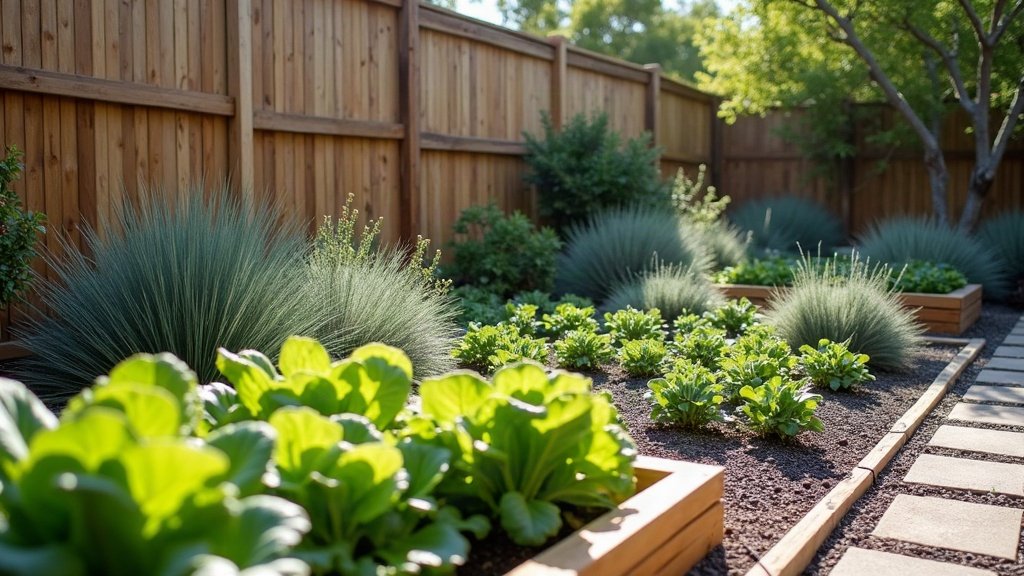
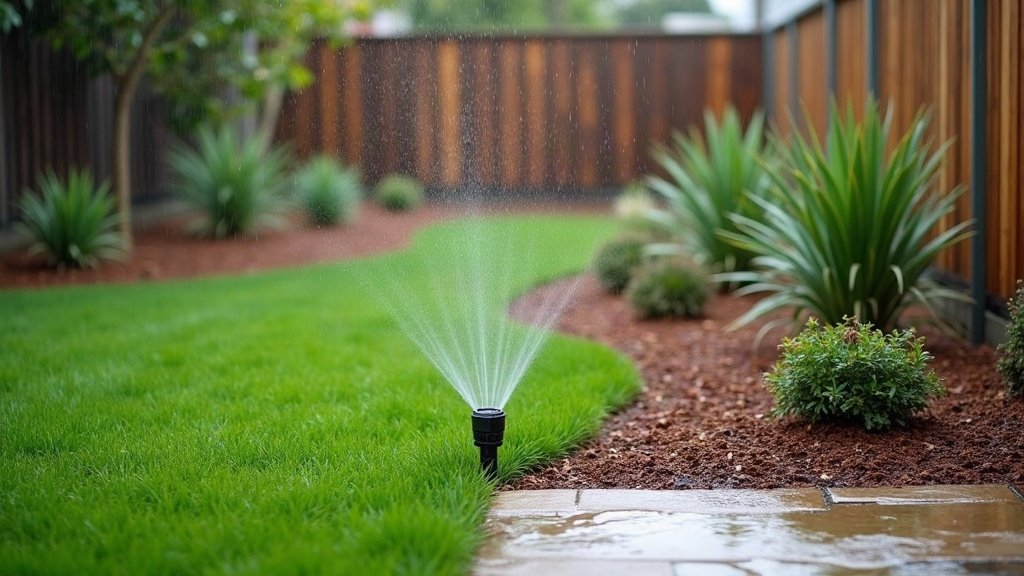
    Drip irrigation delivers water slowly, right at the root zone, with very little lost to evaporation or wind — ideal for garden beds, hedges and individual plants. It runs at lower pressure but needs clean water and the occasional flush to stop emitters clogging. Spray and sprinkler systems cover broad areas like lawns quickly, but lose more to evaporation and drift, and want higher flow and pressure. Many gardens use both: drip in the beds, spray on the lawn, each on its own zone so you can water them differently.

    Matching output to watering zones

    Group plants with similar water needs into zones, and size each zone to what your pump and supply can comfortably deliver at once. Trying to run too many sprinklers off one line just starves them all. Splitting the garden into a few well-matched zones — run in sequence rather than all together — gives even, reliable watering and lets you tailor timing to each area.

    Watering newly planted trees and gardens for establishment

    New plantings are the thirstiest and least forgiving. A tree or shrub that hasn’t yet grown a wide root system relies entirely on the water near its base, so during establishment it needs consistent, deep watering — slow and thorough, encouraging roots to grow down rather than staying shallow. Mulch helps hold that moisture in. Consistent watering is critical while a tree establishes, and qualified arborists such as Waratah Professional Tree Care can advise on care for newly planted or established trees. Once a plant is established, you can usually taper watering back as its roots reach out and find their own moisture.

    Timers, controllers and water-wise scheduling

    A timer or controller takes the guesswork and the forgetting out of watering. Set zones to run in the early morning when evaporation is low and plants can take the water up through the day. Water deeply but less often to encourage strong roots, and adjust with the seasons — far less in cooler, wetter months. Smarter controllers can skip a cycle after rain or adjust to the weather, saving water without you lifting a finger.

    Water restrictions, allowed watering days and hours, and rules around certain water sources vary by council and can change. Check your local restrictions before setting a schedule, and build your timer around what’s currently permitted where you live.

    Who connects the pump and supply

    You can lay out drip lines, sprinklers and timers yourself — that’s the fun part. But two connections aren’t DIY. The pump’s electrical connection must be done by a licensed electrician on an outdoor, RCD-protected circuit. And anything that ties into the mains supply, or that needs backflow prevention to stop irrigation water flowing back into the drinking supply, is licensed plumber’s work. Plan for both trades where they apply and the rest of the system is yours to build.

    Irrigation is one thread in a connected water system — see how it fits with tanks, pumps and water-wise design in our guide to water in the Australian garden.

  • Pressure and Booster Pumps for the Home: Fixing Weak Water Pressure

    Pressure and Booster Pumps for the Home: Fixing Weak Water Pressure

    If your shower dribbles, the washing machine takes forever to fill, or two taps running at once kills the flow, a pressure or booster pump may be the answer — but not always. Sometimes low pressure has a simpler cause worth ruling out first. When a pump genuinely is the fix, the plumbing connection is a licensed plumber’s job and the electrical connection is a licensed electrician’s job. Here’s how to tell what you need.

    Why pressure might be low (and when a pump is the answer)

    Low water pressure has a few common culprits. You might be at the end of a long supply line, up a hill, or simply in an area with naturally low mains pressure. Sometimes it’s a partly closed valve, a blocked filter or aerator, or old galvanised pipes narrowed by corrosion — all worth checking before you spend on a pump, because they’re cheaper to fix.

    If the supply pressure itself is genuinely low — or you’re drawing from a rainwater tank that can’t provide household pressure on its own — that’s when a pressure or booster pump earns its place. It lifts the pressure to a comfortable, usable level throughout the house or garden.

    How a pressure or booster pump works (in plain terms)

    A booster pump does what the name says: it takes water coming in at a low pressure and boosts it to something more useful. Water enters the pump, an impeller driven by an electric motor adds energy, and the water leaves at higher pressure. Many systems pair the pump with a small pressure tank that smooths out delivery and stops the pump from constantly switching on and off for every little draw.

    Constant-pressure vs on/off systems

    There are two broad styles. A traditional on/off (pressure-switch) system runs the pump until pressure reaches a set point, then stops, and restarts when pressure drops — simple and reliable, though you may notice slight pressure swings. A constant-pressure system varies the pump’s speed to hold steady pressure no matter how many outlets are open, which feels smoother, especially when several taps run at once. Constant-pressure setups generally cost more; the simpler system is often plenty for a single household.

    Where the pump fits in the plumbing — and who connects it

    A booster pump is installed in line with your water supply — after the meter or tank, before the outlets you want boosted. Getting that connection right matters: it needs correct fittings, isolation valves so it can be serviced, and protection against running dry. Tying a pump into your household water supply is licensed plumbing work, and depending on the setup may involve backflow prevention to protect the town supply. This is a job for a licensed plumber, not a DIY plumbing project.

    Electrical supply: why this is a licensed electrician’s job

    A booster pump runs on mains electricity and usually lives outdoors or in a wet area like a laundry or pump shed. Wiring it in must be done by a licensed electrician, on an RCD-protected circuit suited to the pump. Water and unlicensed electrical work are a dangerous combination, and outdoor power simply isn’t a DIY connection in Australia. Plan for the electrician as part of the install, not an afterthought.

    What to look for when buying

    Without naming products, a few qualitative things help you choose well. Match the pump’s capability to your actual need — a small flat with one bathroom has very different demands to a large house running multiple showers at once. Look for dry-run protection so the pump shuts down rather than burns out if it loses water. Consider noise if it’s near living areas, and think about access for servicing. And get advice on sizing: an oversized pump wastes money and can short-cycle, while an undersized one won’t solve the problem. A supplier or installer who asks about your house and supply, rather than just selling the biggest unit, is the one to trust.

    Pressure pumps are one part of the household water picture — see how they relate to tanks, ponds and efficient watering in our guide to water in the Australian garden.

  • How to Build a Garden Pond: A Beginner’s Step-by-Step for Australian Backyards

    How to Build a Garden Pond: A Beginner’s Step-by-Step for Australian Backyards

    Building a garden pond is well within reach for a weekend-handy homeowner: choose a level, partly shaded spot, decide how big and deep you want it, dig and shape the hole, line it, add water movement, then plant it and let it settle. The two parts to leave to professionals are the pump’s electrical connection (a licensed electrician) and checking whether your council has depth or fencing rules. Here’s how it comes together.

    Choosing the spot

    The right position makes everything easier. Look for somewhere that gets a few hours of sun but isn’t baking all day — too much sun feeds algae, too little starves your plants. Avoid the lowest point of the yard where stormwater runoff and garden chemicals will wash in. A reasonably level area saves you a lot of grief when it comes to getting the water line even.

    Safety matters too. If young children use the garden, think carefully about open water. Some councils treat ponds over a certain depth like pools and may have fencing or barrier requirements, so check your local council’s rules before you dig.

    How big and how deep

    Bigger ponds are actually more forgiving — a larger volume of water stays more stable in temperature and chemistry than a tiny one. For depth, you generally want a deeper zone so the water doesn’t overheat in summer and so fish, if you keep them, have somewhere cooler to retreat. Shallower margins around the edge give plants a home and let wildlife get in and out. There’s no need to chase exact figures; scale it to your yard and how much maintenance you’re happy to do.

    Flexible liner vs preformed shells

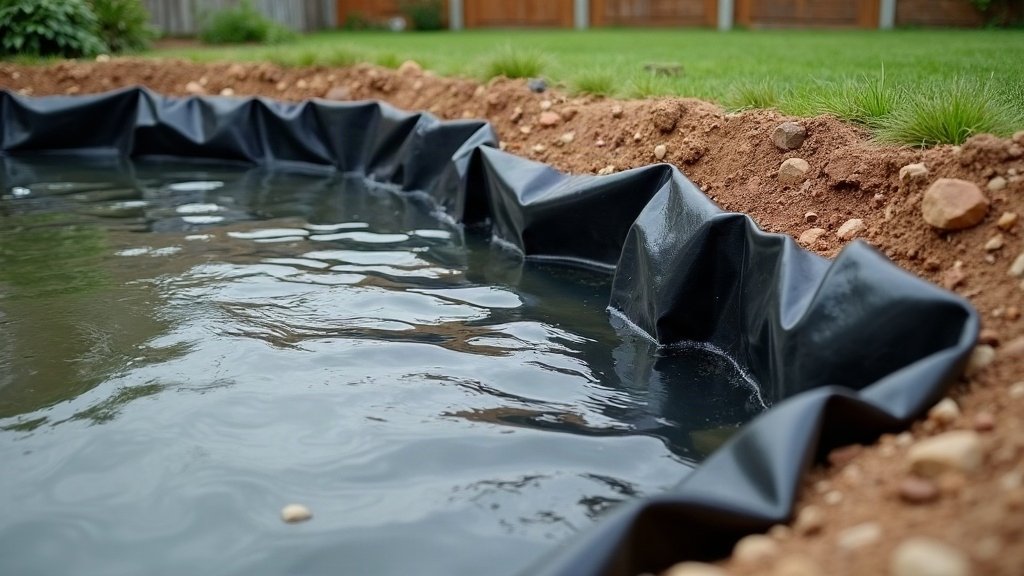
    You’ve got two main ways to hold the water. A flexible liner lets you make any shape and size you like and tends to suit larger, natural-looking ponds; it’s draped into the hole and shaped as you go. A preformed shell is a rigid moulded pond you drop into a matching hole — quicker and simpler for a small pond, but you’re locked into its shape and size. For a first pond, a preformed shell is the easy option; for something organic and bigger, a liner gives you freedom.

    Digging, shelving and edging

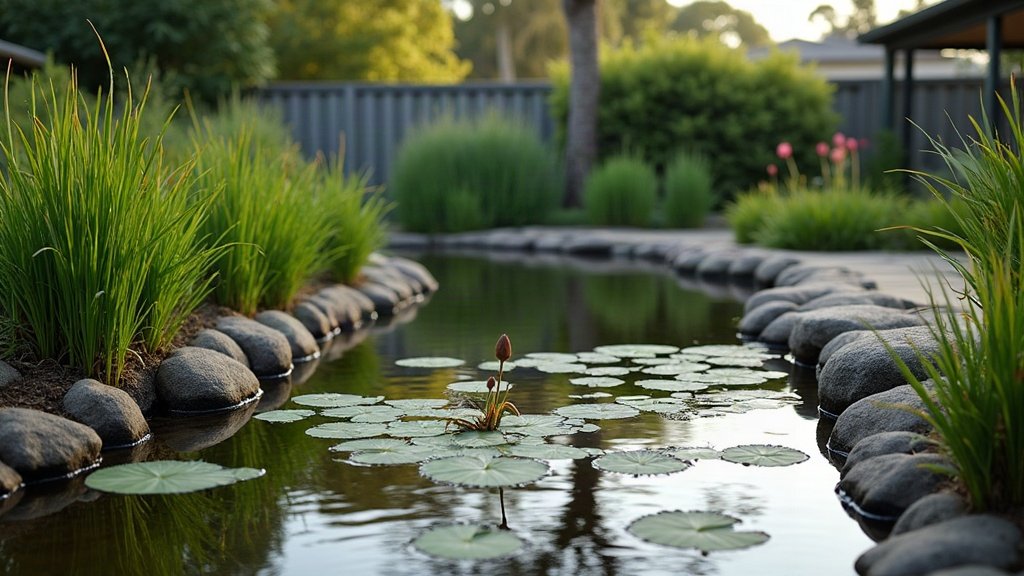
    Mark the outline, then dig in stages, cutting a shallow shelf around the perimeter for marginal plants and a deeper central zone. Remove sharp stones and roots, and add a layer of sand or underlay to protect a liner. Set your liner or shell, check the rim is level all the way round, then fill slowly so it settles into shape. Finish the edge with rocks, pavers or plants to hide the liner, hold it down and create a natural transition into the garden.

    Water movement: why most ponds need a pump

    Still water tends to go stagnant, grow algae and lose oxygen. A pump keeps water circulating — running a small fountain, a spillway or a filter — which keeps it clearer, better oxygenated and healthier for fish and plants. Choose a pump suited to your pond’s size and what you want it to do, whether that’s a gentle ripple or a proper waterfall.

    Position and plumb the pump yourself if you like, but the electrical connection must be done by a licensed electrician, on an outdoor RCD-protected circuit. Mains power beside a body of water is exactly the situation those rules exist for — it’s not a DIY step.

    Planting and letting it settle

    A new pond needs time. Add a mix of plants — submerged oxygenators, marginal plants on the shelves, and a floating-leaf plant or two for shade — and then be patient. The water may go cloudy or green at first while it finds its balance; that’s normal. Hold off adding fish until the pond has settled for a few weeks and the plants are established. Top up with rainwater where you can, and resist the urge to fiddle. Within a season most ponds find their rhythm.

    A pond is one piece of the bigger water picture — see how it sits alongside pumps, features and water-wise design in our guide to water in the Australian garden.

  • Rainwater Harvesting for the Garden: Tanks, Pumps and Who Connects What

    Rainwater Harvesting for the Garden: Tanks, Pumps and Who Connects What

    Harvesting rainwater for the garden is one of the easiest wins in an Australian backyard: catch what falls on your roof, store it in a tank, and use a pump to push it out to the garden. For garden-only use you have a lot of freedom, but the moment you want that water plumbed into the house, that becomes licensed plumbing work. This guide walks through sizing, keeping the water clean, choosing a pump, and who connects what.

    Why harvest rainwater (and what it can legally supply)

    Rainwater is free, soft, and perfect for gardens, lawns and topping up ponds. Caught off a clean roof and stored properly, it keeps your garden going through dry spells and takes pressure off mains supply. For outdoor use — irrigation, washing down paths, filling a water feature — a simple tank-and-pump setup is straightforward.

    What rainwater is allowed to supply indoors (toilets, laundry, even drinking in some setups) varies by state and council, and there can be requirements around tank screening, mosquito protection and cross-connection. Rather than assume, check your local water authority or council for what’s permitted where you live before you plan anything beyond the garden.

    Sizing a tank to your roof and rainfall

    Tank size is a balance between how much rain you can realistically catch and how much water you’ll use. A bigger roof catches more per shower of rain; a wetter region refills more often. If your goal is to ride out dry weeks, lean toward more storage; if you just want to take the edge off summer watering, a modest tank does plenty.

    Think about the space you have, how the tank will look, and whether you’d rather one large tank or a couple of smaller linked ones. There’s no single right answer — match the storage to your roof, your rainfall and your watering habits.

    First-flush diverters and clean water

    The first wash of water off a roof carries dust, leaf litter and bird droppings. A first-flush diverter sends that initial dirty flow away before the cleaner water reaches the tank, which keeps your stored water far nicer and reduces sludge. Pair it with leaf guards on the gutters and a screened tank inlet, and you’ll have water that’s clean enough for the garden and kinder to your pump.

    Surface vs submersible pumps and automatic controllers

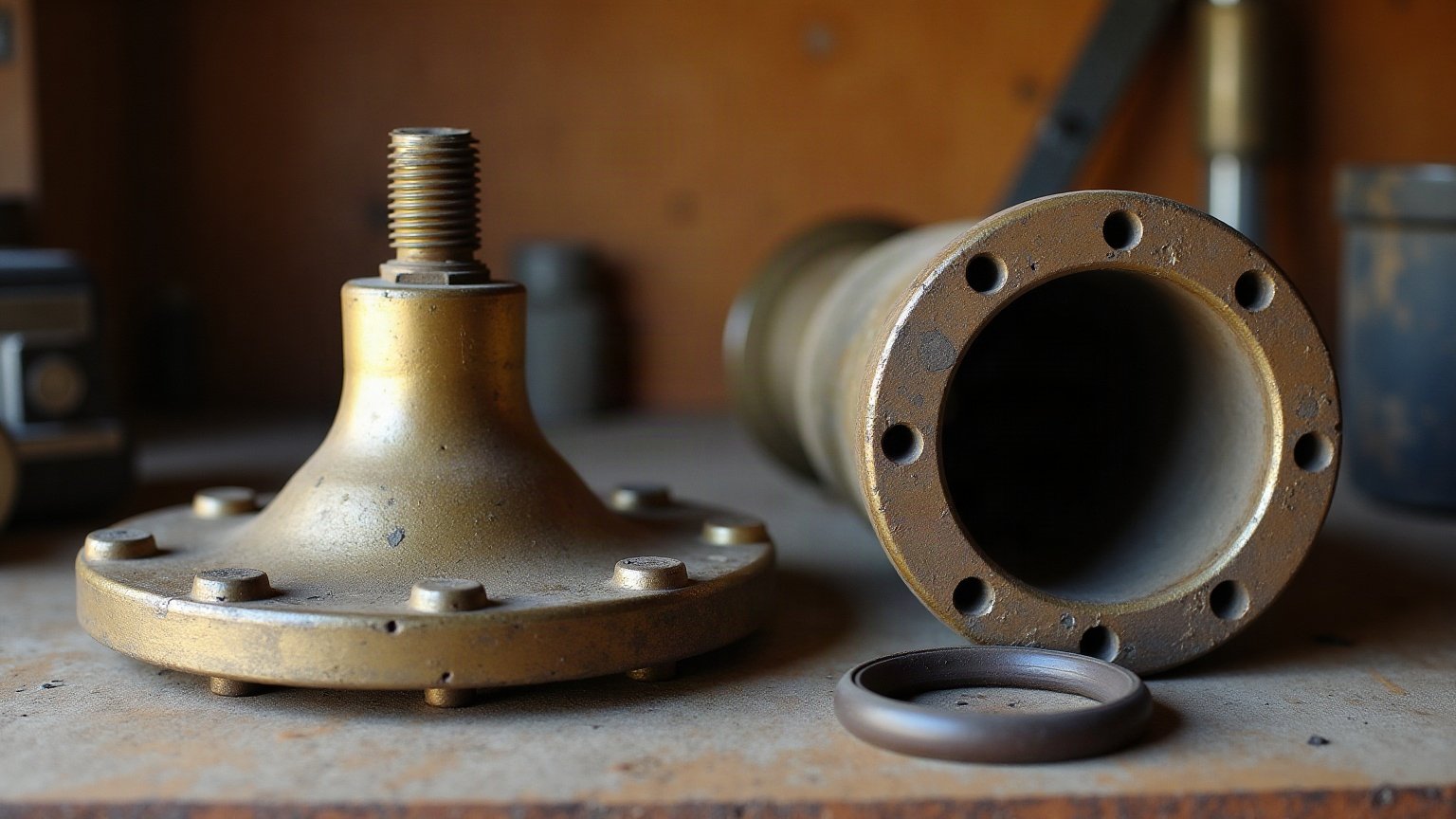
    To get useful pressure out of a tank you’ll usually need a pump. A surface pump sits beside the tank and draws water out; a submersible pump sits inside the tank. Surface pumps are easy to access and service, while submersibles are quieter and out of sight. Either way, an automatic pressure controller is the part that makes it feel like mains water — the pump switches on when you open a tap or sprinkler and off when you stop.

    One firm rule: positioning and plumbing the pump on the garden side is fine to do yourself, but the electrical connection must be carried out by a licensed electrician on an outdoor, RCD-protected circuit. Pumps near water and unlicensed wiring don’t mix.

    Garden-only vs plumbed-to-the-house

    A garden-only tank that feeds sprinklers, hose taps or a water feature is the simple path. But if you want rainwater running to toilets, the laundry or anywhere it could meet the drinking-water supply — or you want a device that automatically switches between rainwater and mains when the tank runs low — that crosses into licensed plumbing territory and may require backflow prevention to protect the town supply. Installing a tank into the household water supply or fitting a mains-switching device is licensed plumbing work, and a team like Creek to Coast Plumbing handles that side of the install.

    Siting, overflow and seasonal upkeep

    Put the tank on firm, level ground close to both the downpipe and the garden it’ll serve — shorter runs mean better flow. Plan the overflow so excess water runs safely away from the house footings, not into them. Through the year, clear the gutters and leaf guards, check the first-flush diverter, and give the tank a look for sludge build-up. A little seasonal attention keeps the water clean and the pump happy.

    For the bigger picture on how rainwater fits with ponds, pumps and water-wise design, see our overview on water in the Australian garden.

  • Water in the Australian Garden: Pumps, Ponds, Water Features and Water-Wise Landscaping

    Water in the Australian Garden: Pumps, Ponds, Water Features and Water-Wise Landscaping

    Water shapes how an Australian garden looks, sounds and survives. Whether you’re moving water with a pump, building a pond, running a fountain or simply trying to keep a garden alive through a dry summer, the same four threads keep turning up: how you move and store water, how you keep it healthy, how you make it a feature, and how you use less of it. This guide ties those four together and points you to the safety rules that apply across all of them.

    The four pillars of water in the garden

    Most water questions in a backyard fall into one of four areas. The first is household and garden pumps — the gear that moves water from a tank, a well point or a low-pressure mains supply to where you actually need it. The second is ponds and fish, which bring movement and life but need a bit of planning to stay clear and healthy. The third is water features and fountains, the decorative side that turns a corner of the yard into something you want to sit beside. The fourth is water-wise and drought-tolerant landscaping — designing a garden that drinks less in the first place.

    How they connect

    These pillars aren’t separate hobbies. A rainwater tank feeds a pump, the pump runs an irrigation line or tops up a pond, the pond becomes a water feature, and a water-wise planting scheme means the whole system has less work to do. Get one part right and the others get easier. Oversize your storage and undersize your pump and you’ll be frustrated; plant thirsty exotics in full western sun and no amount of clever plumbing will keep them happy.

    Thinking about the garden as one connected water system — storage, movement, use and feature — tends to produce better results than buying bits and pieces in isolation.

    The safety theme that runs through everything

    Across all four pillars, three safety rules come up again and again in Australia, and they matter because they’re about both your safety and staying on the right side of the law.

    Electrical connection is a licensed electrician’s job. Any pump, pond pump, UV clarifier, aerator or fountain that runs on mains power needs to be wired in by a licensed electrician, on an outdoor circuit that’s RCD-protected. Water and electricity are an obvious hazard, and DIY wiring of outdoor power isn’t legal for an unlicensed person. You can usually position and plumb the gear yourself, but the electrical connection is not a DIY step.

    Connecting to mains or potable water is a licensed plumber’s job. If you’re tying a rainwater tank into the household supply, installing a mains-switching device, or doing anything that touches drinking-water plumbing, that’s licensed plumbing work and may require backflow prevention to protect the town supply. Garden-only setups give you far more freedom; the moment the house water is involved, bring in a plumber.

    Bore water, rainwater rules and water restrictions vary by state and council. What you’re allowed to do with a bore, how rainwater can be used, and which days or hours you can water all depend on where you live. These rules change, so rather than trust a blanket statement, check your local water authority or council for the current position before you commit to a plan.

    Where to start

    If you’re new to all of this, start with what you actually need water to do. A garden that’s struggling in summer points you toward storage and efficient irrigation. A dull, quiet corner points toward a pond or water feature. Weak flow from a tank points toward the right pump. Once you know the job, the type of equipment and the trades you’ll need to involve become much clearer.

    From here you can dig into each pillar in detail — tanks and rainwater, building a pond, boosting water pressure, irrigating efficiently, and choosing between pump types — and come back to this overview whenever you want to see how the pieces fit together.