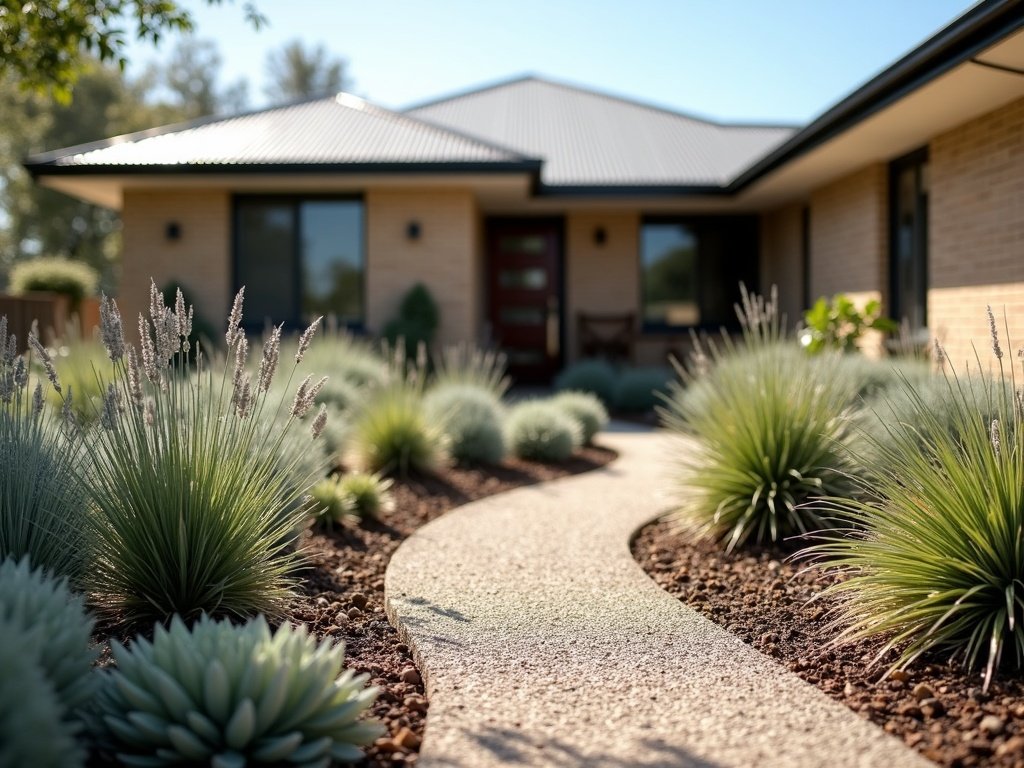
A water-wise garden is not a yard full of gravel and a lonely cactus. It is a garden designed so the water you put on stays where the roots can use it, planted with things that do not gasp the moment a heatwave rolls through. Get that right and you have a green, living garden that shrugs off a dry Australian summer and costs far less at the tap. Here is how it is done, biggest wins first.
What “water-wise” really means
Being water-wise is about matching the garden to your climate and soil instead of fighting both. It is a design approach, not a plant list. Three levers do most of the heavy lifting: the soil you plant into, the way you group plants, and the mulch on top. Sort those out and even thirsty-looking beds get by on a fraction of the water. Skip them and no amount of clever watering will save you. For how this fits with pumps, ponds and the rest of your outdoor water use, read our guide to water in the Australian garden.
Group plants by how thirsty they are
The single smartest move in a water-wise garden is hydrozoning: putting plants with similar water needs together so you can water each zone to suit it, rather than soaking everything to keep the thirstiest plant alive. Think of it as three loose bands.
- High-water zone: the veggie patch, pots and any lush feature planting, kept close to the house and to a tap so it is easy to tend.
- Medium-water zone: the everyday shrubs and perennials that want a drink now and then but cope between waterings once established.
- Low-water zone: the tough natives, succulents and hardy groundcovers out the back or along the verge that basically look after themselves.
Once the beds are zoned, your watering makes sense: you are not drowning the survivors to rescue the divas.
Feed the soil before you plant a thing
This is the cheapest water saving there is, and the step most people rush. Sandy soil drains so fast the water is gone before the roots get a look in. Heavy clay sheds it off the top. The fix for both is the same: dig in plenty of compost so the soil holds moisture like a sponge and lets roots run deep. Then keep a good layer of mulch over every bit of bare dirt, because mulch does a lot of quiet work.
- Cuts evaporation: it shades the soil so the sun cannot bake the moisture straight out of it.
- Smothers weeds: fewer weeds means less competition for the water you do apply.
- Keeps roots cool: a mulched bed holds a steadier temperature through a scorcher.
Coarse bark, sugar cane, pea straw or leaf litter all work. Keep it a few fingers thick, top it up as it breaks down, and pull it back a little from plant stems so they do not stay wet and rot.
Choose plants that want to be here
Drought-tolerant does not mean drab. The range of plants that thrive on little water in Australian gardens is huge, from silver-leaved natives and grevilleas to succulents, ornamental grasses and Mediterranean herbs like rosemary and lavender. The trick is to pick for your spot and let them settle in. Even the toughest plant needs regular water through its first season or two while the roots get established. After that, most coast on rainfall plus the occasional deep soak.
What suits you depends heavily on your local climate zone, so treat any plant list as a starting point. Before you fall for something, check with your council or a local nursery, both for what grows well in your area and because some vigorous plants are listed as weeds in certain regions. When in doubt, lean on locally native species: they evolved for your rainfall and feed the local birds and insects into the bargain.
Water less often, but water properly
How you water matters as much as how much. A daily light sprinkle trains roots to sit near the surface where they dry out fast. A longer, less frequent soak pulls them deep where the soil stays damp, so those plants ride out dry spells far better. A few habits make the difference.
- Water early or late: watering in the cool of morning or evening means far less is lost to evaporation than a midday blast.
- Aim at the roots: drip lines and soaker hose put water at the base of the plant instead of into the air, and pair beautifully with hydrozoning. Our garden irrigation guide walks through the options.
- Use what falls for free: plumbing a tank into your beds means you are watering off the roof, not the mains, which our rainwater harvesting guide covers end to end.
One more thing worth saying plainly: water restrictions and allowed watering days change by council and season, so check your local restrictions before you set a timer.
Rethink the lawn
A big thirsty lawn is usually the hungriest thing in the whole garden. You do not have to tear it all out, but ask how much you actually use. Shrink it to the patch the kids or the dog genuinely need, and hand the rest to mulched beds, hardy groundcovers or a gravel area for sitting. Where you keep turf, a warm-season grass suited to your region handles heat and dry far better than a soft cool-season lawn. Groundcovers in particular earn their keep: they knit across bare soil, keep it shaded and cool, and ask for almost nothing once established.
None of this is hard, and you do not need to do it in one weekend. Start with the soil and the mulch, group your plants sensibly, choose things that suit your patch, and water them deeply but less often. Do that and the garden looks after itself through the hottest months, keeps the water bill sensible, and still feels like a proper garden rather than a car park.