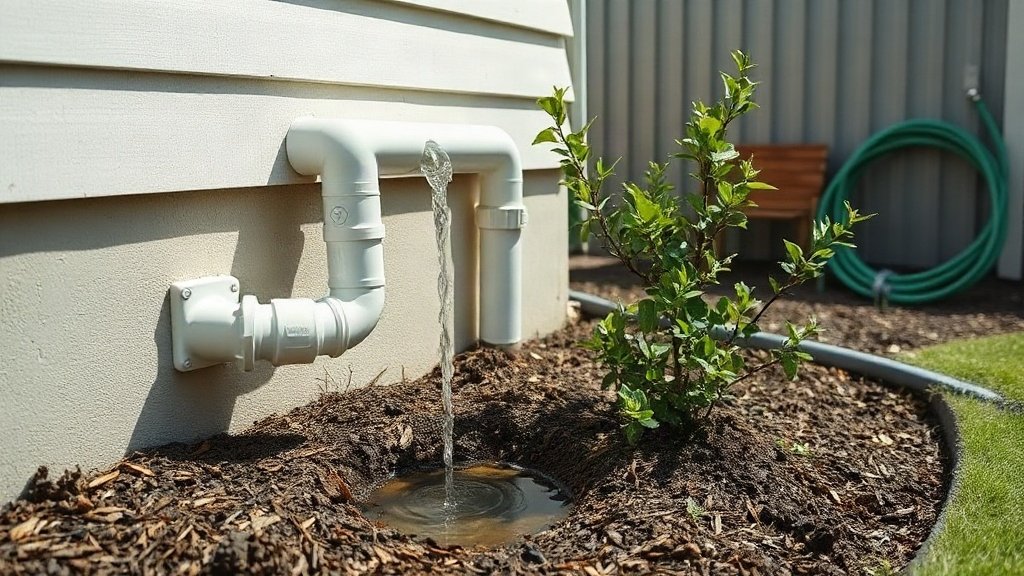
Greywater from the shower, the bath, the laundry and the hand basins does not need to go straight down the drain. Every state and territory in Australia allows some form of household greywater reuse in the garden. What trips people up is not whether it is legal, it is which of two very different approaches they are allowed to use, and that answer depends on where you live and what you install.
What counts as greywater, and what doesn’t
Greywater is not a vague catch all for anything that isn’t drinking water. It has a fairly specific definition, and getting it wrong is the first mistake people make.
- Bath, shower and hand basin water: the everyday sources most simple systems are built around.
- Laundry water: usually included, though front loaders and top loaders discharge differently and some diverters suit one better than the other.
- Kitchen sink water: often excluded or handled separately, because it carries fat, food scraps and stronger cleaning chemicals that behave badly in soil.
- Toilet waste: this is blackwater, a completely different category, and it is never part of a household greywater system.
Two approaches, and they are not interchangeable
Almost everything else about the rules flows from which of these two you are running.
A diversion system takes untreated greywater straight from a source, commonly the washing machine or the shower, and pipes it out to the garden for near immediate use. There is no storage and no treatment, and that simplicity is exactly why these systems face fewer approval hurdles.
A treatment system collects greywater, filters and treats it, then stores it for later use. Treated greywater can usually cover a wider area and sometimes gets reused indoors as well, but the system itself is bigger, more expensive and sits under closer regulatory scrutiny because stored, treated water carries different health risks to water applied straight to a garden bed.
Why the rules differ so much state to state
Plumbing and health regulation in Australia sits mostly with the states and territories, not the Commonwealth, and greywater reuse shows how much that varies. Some jurisdictions let a simple diversion device go in without formal council approval, provided it meets set conditions. Others want a permit regardless of how basic the system is. Treatment systems attract closer scrutiny almost everywhere, because storing water that isn’t managed properly can grow bacteria. The only safe move is to check with your state or territory health department, your local council and your water authority before you install anything, and treat this guide as a starting point rather than the final word.
What a simple diversion system can and can’t do
Even where a basic diverter is allowed without a permit, most jurisdictions expect it to be used sensibly. The common threads across the country look roughly like this.
- No ponding: greywater should soak away, not sit in a puddle on the surface where people, pets or mosquitoes can get at it.
- Subsurface or mulch covered application: running it under mulch or through a small subsurface trench cuts smell, contact risk and evaporation loss.
- Rotate where it lands: sending the same water to the same patch of lawn week after week overloads that spot with detergent residue and salts.
- Keep it off edible parts of plants: greywater is generally fine around fruit trees and established garden beds, but avoid direct contact with leafy greens or root vegetables you plan to eat raw.
- Have a mains bypass: every diverter needs a simple way to send water to the normal sewer or septic connection when you don’t want it going to the garden, such as during heavy rain or a holiday away.
When you actually need a licensed plumber
Plenty of people assume greywater reuse is a weekend DIY job because a diverter kit looks simple in a hardware catalogue. Tying any device into your household plumbing, even a basic laundry to garden hose, is plumbing work, and in every state that means a licensed plumber has to do the connection or sign off on it. It is not just red tape. A poorly connected diverter can siphon greywater back into drinking water lines, or bypass the trap that stops sewer gas coming back into the house, and neither of those is a small mistake. Treatment systems are firmly plumber and often council-approval territory from the start. This is where a team like Creek to Coast Plumbing earns their keep: getting the plumbing side of a water reuse system connected correctly, with the right backflow protection and bypass, rather than guessing with a length of garden hose off the laundry outlet.
Detergents matter more than people expect
What goes down the drain before it reaches the garden has a direct effect on your soil and plants. Ordinary laundry detergents and dish soaps often carry high sodium and phosphorus loads, and over time that builds up in soil the way any excess fertiliser would, harming structure and plant health rather than helping it. Greywater friendly detergents, generally labelled low sodium and phosphate free, are worth the switch if you are running a system regularly. Skip the garden feed altogether on days you have used bleach, nappy soak or a heavy duty stain treatment, and send that load to the sewer instead.
Getting it right
A well run greywater system is one of the more genuinely useful things a household can do for a thirsty garden, and it pairs naturally with the other pieces covered in our garden irrigation guide and our water-wise landscaping guide. Start by checking the actual rules for your state and council, keep the plumbing connection in the hands of a licensed plumber, and treat it as one part of a broader water strategy alongside a well set up rainwater harvesting system rather than a replacement for one. Done properly it quietly saves a real amount of mains water every single week without asking much of you at all.