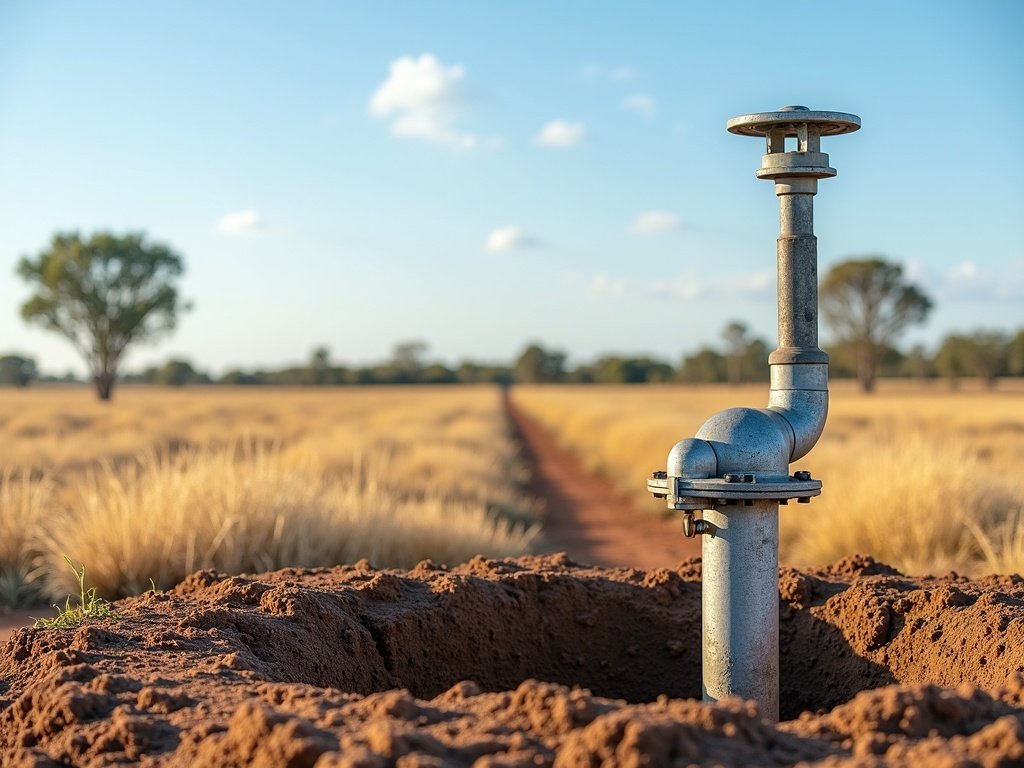
On a rural block or a big bush property, a bore can be the difference between hauling water in a tank on the ute and just turning on a tap. But the hole itself does nothing without a pump, and the pump is where most of the head scratching happens. Choose the wrong one and you either burn it out chasing water that sits too deep, or pay for grunt you will never use. Here is how bore and well pumps work, and how to pick the right one.
When a bore or well pump makes sense
Bore water suits properties where mains supply is either not connected or too dear for the big jobs: filling stock troughs, running irrigation across a few acres, or keeping a house going off tank and bore together. If you only need a bit of extra garden water, a rainwater tank and a small pressure pump is usually the cheaper path. A bore earns its keep once your demand is steady and high enough that a reliable underground source beats carting or metered town water. The trade-off is the commitment: you need a driller to put the hole down, a pump matched to that hole, and in most states an approval before anyone drills.
Submersible bore pumps versus surface jet pumps
There are two broad families of pump for a bore, and which one suits comes down mostly to how far below the surface the water sits.
- Submersible bore pumps: the whole unit drops down inside the bore casing and sits under the water, pushing it up the pipe from below. Because they push rather than suck, they handle deep water a surface pump cannot reach, and they run quietly down the hole.
- Surface jet pumps: these sit up top in a shed and draw water up through a suction line. They are easier to service and cheaper to start with, but they can only pull water up so far before the physics beats them. Once the water sits beyond the reach of suction, a surface pump is the wrong tool.
As a rough rule, shallow water leans towards a surface pump and deep water needs a submersible. But do not guess it off a blog: size it against your actual bore, which brings us to the numbers that matter.
Why bore depth and water level drive the choice
The most important thing about your bore is not how deep the hole is, it is where the water sits and how far that level drops once you start pumping. When a pump runs, the water falls to what drillers call the drawdown level, and the pump has to lift from there, not from the resting level. A decent bore report or driller’s log gives you the standing level, the drawdown and the yield, and those are the figures a supplier uses to match a pump to your hole. Never let anyone size a pump without them, and never just copy a neighbour’s setup, because two bores a paddock apart can behave completely differently.
Water quality, sediment and filtration
Bore water is not automatically clean water. Depending on your area it can carry sand and silt, run high in iron that stains everything a rusty orange, or sit at a pH that slowly chews through fittings. None of that stops you using it for stock or garden, but a water test early on saves you buying the wrong gear:
- Sediment: grit wears pumps out and blocks drippers, so a sand separator or sediment filter is common on grittier bores.
- Iron and minerals: these cause staining and scale that a specialist should sort.
- Drinking water: bore water is not safe to drink until it has been tested and, where needed, treated. Treatment and health rules are matters for your state health or water authority, not something to eyeball.
Bore licensing and groundwater rules
This is the part people skip and then regret. In Australia, drilling a bore and taking groundwater is regulated by each state and territory, and the rules genuinely differ from one border to the next. Depending on where you are, you may need a licensed driller, a works approval before drilling, and a licence to take water, with limits on how much you can pull and what you can use it for. So the only right answer is to check with your state or territory water authority before you drill. Do not take a rule you read online, this guide included, as the final word for your own patch.
Who installs and connects it
A bore pump job touches two licensed trades.
- Electrical: any bore pump beyond a plug-in portable needs its power supply wired in on an outdoor rated circuit protected by a safety switch. That wiring is a licensed electrician’s job.
- Plumbing: the moment bore water is connected into your house plumbing, or anywhere near your drinking water supply, you are into licensed plumbing territory, including the backflow prevention that keeps the two supplies from crossing. A licensed plumber such as CS Plumbing Services handles that connection so the bore feeds the house safely and to code.
Typically the driller puts the hole down and often drops the pump, the electrician powers it, and the plumber ties it into the house. Keep those roles clear and you avoid the classic bore headache: a pump that runs beautifully but is wired or plumbed in a way that fails an inspection.
The short version
A bore is a great long-term water source for the right property, but the pump makes or breaks it. Match it to your bore’s real water level and drawdown rather than the total depth, go submersible for deep water and surface only for shallow, test before you treat, and sort the licensing and the licensed trades first. For how this fits alongside tanks and ponds, see our guide to water in the Australian garden, and for pump types more broadly, our explainer on submersible versus surface pumps.