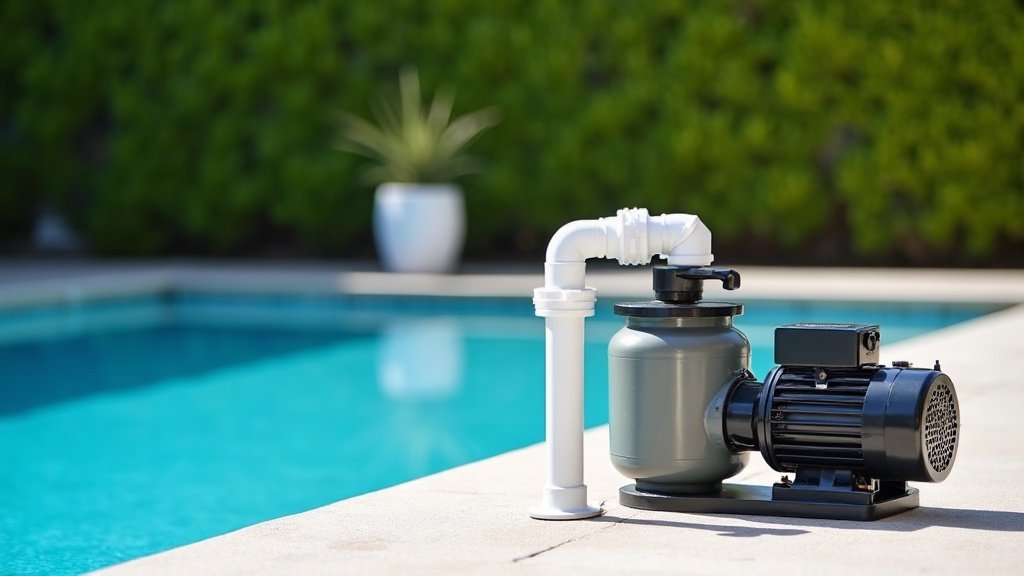
If your pool pump is the single biggest power user in the house, you are not imagining it. The pump is what keeps a pool clean and safe to swim in, so how you size it and how you run it makes a real difference to both water clarity and your electricity bill. The good news is that getting it right is mostly about matching the pump to your pool and running it smartly, not chasing the most powerful unit on the shelf.
What the pump actually does
A pool pump is the heart of the filtration circuit. It pulls water from the skimmer and the main drain, pushes it through the filter to strip out dirt and debris, sends it past the chlorinator or dosing gear, and returns clean water to the pool. Nothing else in the system works without that flow. If the pump is undersized or clogged, the filter can’t do its job and the water goes cloudy or green. If it is wildly oversized, you are just burning power, and you can even push water through the filter faster than it can properly clean.
Single-speed versus variable-speed pumps
There are two broad types you will come across:
- Single-speed pumps: they run flat out whenever they are switched on, at one fixed speed. Cheaper to buy and simple, but they draw the same power whether you need full flow or not.
- Variable-speed pumps: you can dial the speed up or down to suit the task, running slow and quiet for everyday filtering and faster only when you are vacuuming or backwashing.
Most of a pool’s daily filtering doesn’t need full flow. That is the whole case for a variable-speed pump, and it is why they have become the default recommendation for new installs.
Why variable-speed usually costs less to run
The savings come down to how pumps use energy. Running a pump slower uses a good deal less power than running it flat out, so a variable-speed unit ticking over gently for most of the day draws far less than a single-speed pump hammering away at full noise. Across a whole filtering season that difference adds up. I won’t put a dollar figure on it, because it depends on your pool, your tariff and your hours, but the pattern is consistent: slower and longer beats fast and short for everyday filtering.
Matching the pump to your pool
The goal is turnover, meaning you filter roughly the whole pool volume over a set period so the water stays clean. A bigger pool, or one with plenty of swimmers and leaf litter, needs more turnover than a small, sheltered plunge pool. Rather than guessing, work from your actual pool volume and the filter you already have, and let a pool shop or installer match a pump to it. Bigger is not better here. An oversized pump costs more to buy, more to run, and can strain an undersized filter. A right-sized pump quietly does the job for less.
Running times and off-peak
You don’t have to run a pool pump around the clock. The aim is enough total turnover across the day, and you have some freedom in when that happens. Two habits help:
- Split the run: a couple of shorter cycles, timed around when the pool actually gets used, often keep the water clearer than one long block.
- Lean on off-peak: if you are on a time-of-use tariff, shifting filtering to cheaper off-peak hours trims the cost without cutting the turnover.
Warmer months and heavy use call for more running time. Through winter, when the pool is barely touched, you can usually wind it right back. A timer, or a variable-speed pump’s built-in schedule, makes this close to set-and-forget.
Repair or replace an ageing pump
Pumps don’t last forever. A screeching motor, a pump that keeps losing prime, leaking seals, or a unit that trips the power are all signs something is on the way out. A worn seal or a blocked impeller is often a straightforward fix. But if you are nursing an old single-speed pump through repair after repair, swapping it for a modern variable-speed unit often pays for itself in running-cost savings before long. When you do replace it, remember one hard rule: the electrical connection of the pump is a licensed electrician’s job, not a DIY exercise for any hard-wired unit. And because pool areas carry their own safety and fencing requirements that vary by state, check your local requirements rather than assuming.
Get the sizing right, run it on a sensible schedule, and a pool pump becomes the quiet, efficient workhorse it is meant to be.